
July 30, 2026
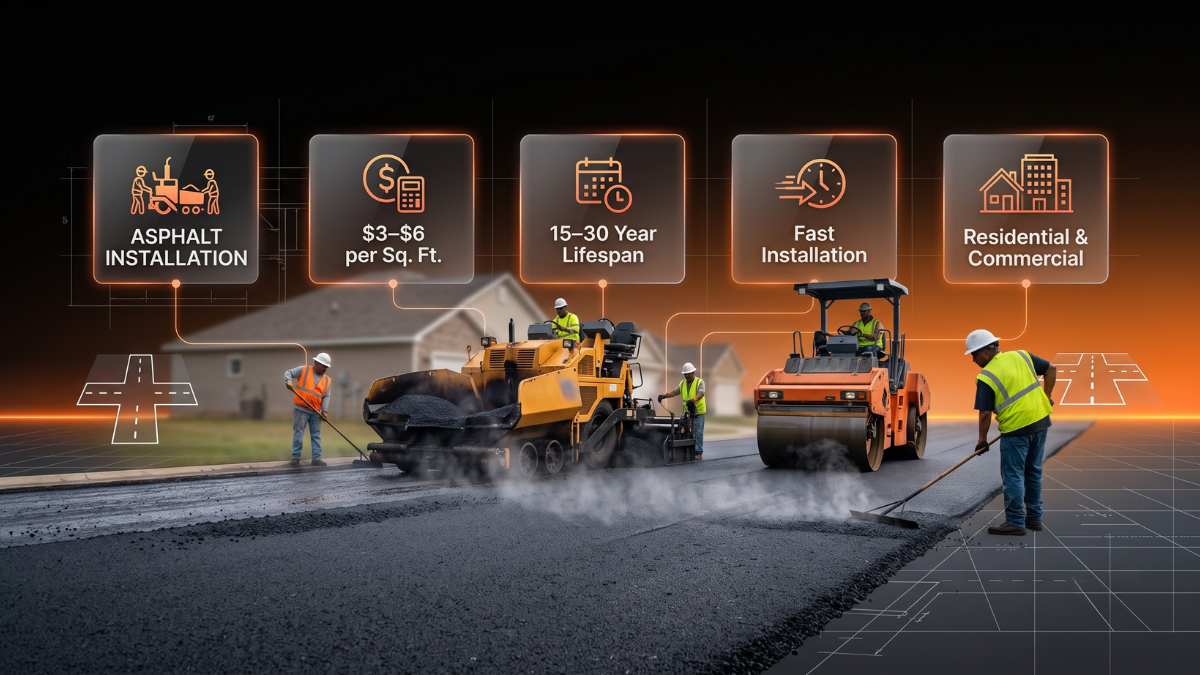
Asphalt paving in Pineville & Alexandria, LA costs between $3 and $6 per square foot, with most driveways ranging from $2,800 to $7,500. Installation takes one to three days, and new asphalt can handle light traffic within 72 hours. Full curing takes six to twelve months. Local contractors handle sizing, base prep, and drainage for Central Louisiana soil.
Cracked, sinking, or missing driveway pavement costs you money every year. Water seeps into gaps and slowly damages the base underneath. Homeowners and business owners across Pineville and Alexandria face this problem often. A properly installed asphalt driveway solves it for decades.
Central Louisiana’s clay-heavy soil and heavy spring rainfall create unique paving challenges. Contractors who understand local conditions build pavement that drains correctly and resists cracking. This guide draws on real installation experience in Rapides Parish.
You will learn what asphalt paving costs, how long it lasts, and how the installation process works. You will also learn how to choose a contractor you can trust. By the end, you will know exactly what to expect from your project.
Asphalt paving is the process of installing a mixture of crushed stone, sand, and asphalt cement to create a durable driving or parking surface. Contractors compact this hot mix over a prepared base to form a smooth, flexible layer. The result handles vehicle weight while flexing slightly with temperature changes. This flexibility sets asphalt apart from rigid materials like concrete.
Asphalt paving starts with a stable base layer of crushed aggregate. Crews then pour hot asphalt mix and compact it with heavy rollers. The compaction locks the aggregate and binder together into one solid surface. Proper temperature control during this stage determines how well the pavement holds up over time.
Asphalt handles Central Louisiana’s freeze-thaw swings and summer heat better than many alternatives. It also drains water efficiently, an important feature given the region’s heavy rainfall. Property owners choose asphalt because installation is fast and the material costs less than concrete. Local contractors also stock the materials needed for quick repairs.
Homeowners use asphalt for driveways, walkways, and small parking pads. Businesses rely on it for parking lots, private roads, and loading areas. Churches, schools, and apartment complexes also choose asphalt for large paved areas. Each application uses a different thickness and mix design based on expected traffic.
Cost-Effective Installation
Asphalt costs less per square foot than concrete in most cases. Lower material and labor costs make it accessible for larger paving projects. This affordability lets property owners pave more area within the same budget. As a result, asphalt remains a top choice for driveways and parking lots nationwide.
Fast Installation and Quick Curing
Crews can complete most residential driveways in one to two days. Commercial lots take longer but still move faster than concrete projects. You can typically walk on new asphalt within 72 hours. This speed reduces disruption to your daily routine or business operations.
Long-Lasting Performance
Well-installed asphalt pavement lasts 15 to 30 years with routine maintenance, according to the National Asphalt Pavement Association. Its flexible structure resists cracking from ground movement and temperature shifts. Regular sealcoating adds years to that lifespan. Central Louisiana’s soil conditions make this flexibility especially valuable.
Smooth, Safe Driving Surface
Asphalt provides strong traction in both wet and dry conditions. Its dark surface also melts light frost faster than concrete. Smooth asphalt reduces tire wear and road noise. These qualities matter most on private roads and commercial parking lots with heavy traffic.
Easy Maintenance and Repairs
Asphalt repairs blend more easily into existing pavement than concrete patches. Crack sealing and pothole repair are quick, affordable fixes. Sealcoating every two to three years protects the surface from water and UV damage. This lower maintenance burden saves property owners money over the pavement’s lifespan.
New Asphalt Installation
New installation involves excavating the area, building a proper base, and laying fresh asphalt layers. This service fits vacant lots, new construction, or areas without existing pavement. A correctly built base prevents most long-term problems. Precision Blacktopping LLC designs each base for the specific soil and traffic conditions on site.
Asphalt Driveway Paving
Driveway paving covers everything from single-car pads to long private driveways. Contractors size the thickness and base depth to match your vehicles. Proper slope and drainage keep water away from your home’s foundation. This service remains the most requested residential paving project in the region.
Commercial Parking Lot Paving
Commercial lots need thicker asphalt and stronger bases to handle daily traffic. Contractors plan traffic flow, drainage, and accessible striping during installation. Business owners benefit from a smooth, professional surface that welcomes customers. Proper planning here reduces long-term repair costs significantly.
Private Roads and Access Roads
Private roads connect subdivisions, farms, and commercial properties to public streets. These roads require a deeper base material to support consistent vehicle weight. Drainage planning matters even more here due to longer paved distances. A well-built private road can last decades with minimal upkeep.
Asphalt Resurfacing
Resurfacing adds a new layer of asphalt over an existing surface with a sound base. This process restores smoothness without the cost of full replacement. It works best when the underlying structure remains solid. Resurfacing typically costs less than a full tear-out and repave.
Asphalt Overlay
An overlay is similar to resurfacing but often includes minor leveling and patching first. This step corrects small dips and cracks before the new layer goes down. Overlays extend pavement life by several years. They work well for driveways and lots showing early signs of wear.
Sealcoating Services
Sealcoating applies a protective liquid coating over cured asphalt. This barrier shields the surface from sun, oil, and water damage. Most contractors recommend sealcoating every two to three years. Regular sealcoating slows oxidation and keeps pavement looking freshly paved.
Crack Sealing
Crack sealing fills small surface cracks before water can seep underneath. Left untreated, these cracks widen and lead to base failure. This quick, affordable service prevents much larger repairs later. Contractors typically recommend crack sealing as part of annual maintenance.
Pothole Repair
Potholes form when water weakens the base beneath cracked asphalt. Repair involves removing damaged material and patching with fresh asphalt mix. Quick repairs prevent potholes from expanding and damaging vehicles. This service addresses both safety and appearance concerns.
Asphalt Milling
Milling removes the top layer of worn asphalt using specialized equipment. This process prepares surfaces for resurfacing or corrects uneven grading. Milled material can often be recycled into a new asphalt mix. Milling reduces waste and lowers overall project costs.
Parking Lot Striping and Pavement Markings
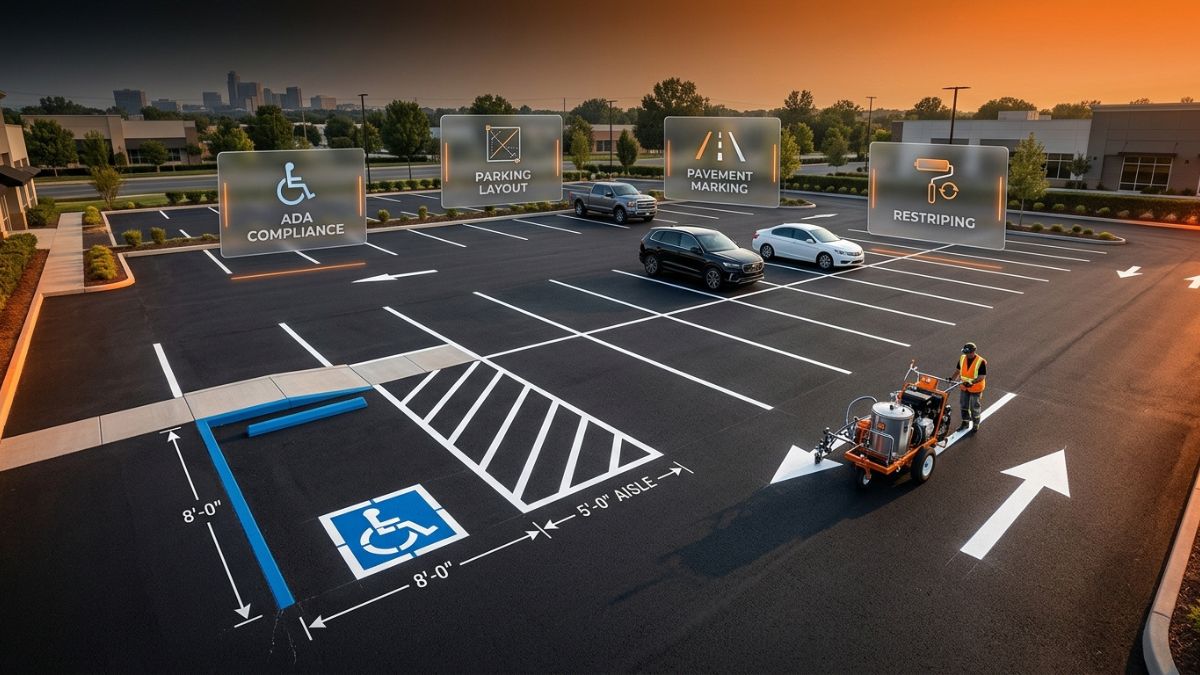
Striping defines parking spaces, drive lanes, and accessibility markings. Fresh striping improves safety and helps lots meet local code requirements. Contractors typically restripe lots after resurfacing or every few years as paint fades. Clear markings also reduce liability for business owners.
Property Types We Serve (Residential, Commercial, Apartments/HOA, Churches & Schools, Municipal)
Precision Blacktopping LLC paves driveways for homeowners across Pineville and Alexandria. The team also serves commercial properties, apartment complexes, HOAs, churches, schools, and municipal projects. Each property type comes with different traffic patterns and code requirements. Experience across these categories helps the team plan the right approach for your project.
Average Cost Per Square Foot
Asphalt paving typically costs $3 to $6 per square foot in Central Louisiana. This range depends on project size, base condition, and site accessibility. Larger projects often cost less per square foot due to material efficiency. Getting a written quote remains the only way to know your exact price.
Single-Car Driveway Cost
A single-car driveway usually runs between $1,800 and $3,500. Size, thickness, and base preparation drive most of the price difference. Sites needing excavation or drainage work cost more. Most homeowners see driveways completed within one to two days.
Two-Car Driveway Cost
A two-car driveway typically costs between $3,000 and $6,000. Wider driveways need more base material and additional compaction time. Decorative edging or curbing adds to the total. This size remains the most common residential request in the area.
Three-Car and Large Driveway Cost
Three-car and larger driveways often range from $5,500 to $10,000 or more. Long or curved driveways require additional grading and drainage planning. Circular driveways and turnarounds add both material and labor costs. A site visit gives the most accurate estimate for larger projects.
Commercial Asphalt Paving Costs
Commercial paving costs more per square foot due to thicker asphalt requirements. Small commercial lots often start around $15,000, while larger lots can exceed $50,000. Drainage systems, striping, and accessibility compliance affect the final price. Business owners should budget for both installation and future maintenance costs.
Larger paving jobs generally cost less per square foot than smaller ones. Fixed costs like equipment mobilization spread across more paved area. However, the total project cost still increases with size. Balancing size against budget helps you plan realistically.
Removing old asphalt or concrete adds demolition and disposal costs. This step is necessary when the existing surface has failed structurally. Skipping proper removal on a bad base leads to premature failure. Contractors factor removal costs into their initial estimates.
Excavation costs increase with soil depth and site slope. Rocky or heavily compacted soil takes longer to prepare. Poor site prep is the leading cause of early pavement failure. Investing in proper excavation protects your long-term investment.
A strong crushed stone base supports the asphalt layers above it. Base depth increases for commercial applications and heavy vehicle traffic. Skimping on base material shortens pavement lifespan significantly. Quality-based work costs more upfront but saves money over time.
Standing water is asphalt’s biggest enemy. Sites with poor natural drainage may need additional grading, French drains, or catch basins. These improvements add cost but prevent expensive water damage later. Central Louisiana’s rainfall makes drainage planning essential on nearly every project.
Hard-to-reach sites increase equipment and labor time. Steep slopes, tight spaces, or obstacles like trees add complexity. Utility lines near the work area may require special handling. Contractors assess accessibility during the initial site visit.
Decorative edging, curbing, and border details add visual appeal and cost. These features also help contain the asphalt edges and prevent crumbling. Homeowners often add edging to improve curb appeal. Commercial properties sometimes use decorative features to mark pedestrian areas.
Residential driveways typically need two to three inches of compacted asphalt. This thickness handles passenger vehicles and light trucks comfortably. Heavier vehicles like RVs may require additional thickness. Your contractor should confirm the thickness based on your specific vehicles.
Commercial lots and delivery areas usually need three to four inches of asphalt or more. Areas handling regular truck traffic may require a thicker base and surface layer. Underestimating thickness leads to rutting and early failure. Matching thickness to expected traffic protects your investment.

Cost Comparison
Asphalt generally costs less to install than concrete. Concrete typically runs 20 to 30 percent higher per square foot. This cost gap makes asphalt attractive for larger paved areas. However, the total lifetime cost depends on maintenance and lifespan, too.
Durability Comparison
Concrete often lasts longer overall, typically 25 to 30 years, compared to asphalt’s 15 to 30 years. Asphalt flexes with ground movement, while concrete stays rigid and can crack under stress. Each material handles different stresses well. Local soil and climate should guide your choice.
Maintenance Requirements
Asphalt needs sealcoating every two to three years to stay protected. Concrete requires less frequent sealing, but cracks are harder to repair invisibly. Asphalt repairs blend in more easily than concrete patches. Ongoing maintenance costs matter as much as the installation price.
Performance in Louisiana Weather
Asphalt’s flexibility helps it handle Central Louisiana’s heat and occasional freeze-thaw cycles well. Concrete can crack under rapid temperature swings if not properly jointed. Heavy rainfall favors asphalt’s water resistance when the site is properly graded. Both materials perform well when installed correctly for local conditions.
Which Option Is Right for Your Property?
Choose asphalt if you want a lower upfront cost and faster installation. Choose concrete if you prefer a longer lifespan and don’t mind a higher price. Your budget, timeline, and property use should guide the decision. A local contractor can help you weigh these factors for your specific site.
Site Evaluation and Planning
Contractors start by assessing soil type, drainage, and existing pavement condition. This evaluation determines the base depth and asphalt thickness needed. Planning also includes marking utilities and setting grading elevations. A thorough evaluation prevents costly surprises during construction.
Excavation and Grading
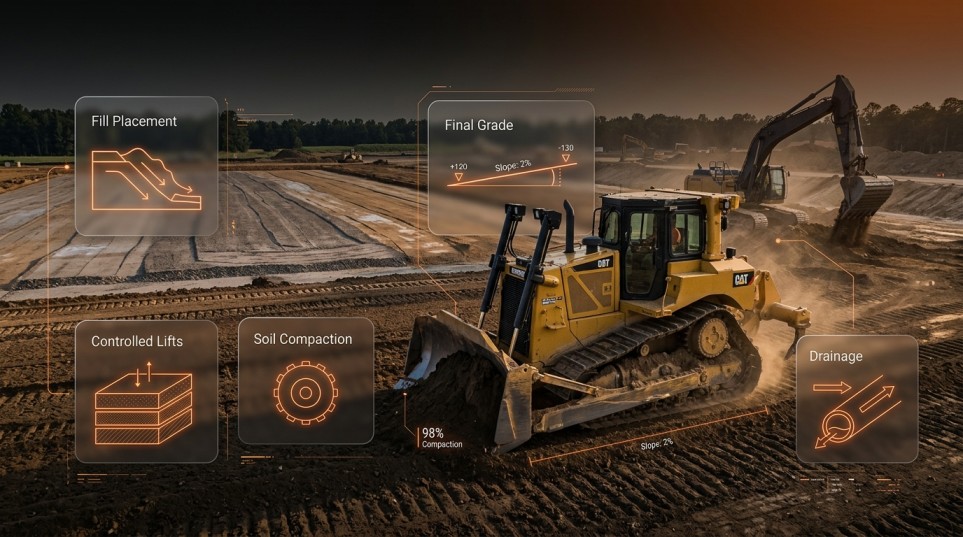
Crews remove old pavement or topsoil to reach stable ground. Grading establishes the correct slope for water runoff. Proper grading keeps water flowing away from structures and low points. This step directly affects how well the finished pavement drains.
Base Preparation
Crushed stone gets spread and compacted in layers to form the base. Each layer is compacted separately for maximum stability. A well-compacted base prevents shifting and cracking later. This stage is often considered the most important part of the entire process.
Installing the Asphalt Layers
Hot asphalt mix arrives from the plant at high temperature. Crews spread it evenly using a paving machine. Multiple layers may be used for thicker commercial applications. Temperature control during placement affects the final density and strength.
Compaction and Finishing
Heavy rollers compact the asphalt while it remains hot and workable. Proper compaction removes air pockets and locks the mix together. Crews then finish edges and check for smoothness. This step determines much of the pavement’s long-term durability.
Final Inspection
Contractors inspect the finished surface for smoothness, proper slope, and edge quality. Any low spots get addressed before the crew leaves the site. A final walkthrough with the property owner confirms satisfaction. This inspection protects both the contractor and the customer.
When You Can Walk on New Asphalt
You can typically walk on new asphalt within 24 to 48 hours. The surface hardens enough to support foot traffic during this window. Avoid dragging heavy objects across it during this early period. Patience here protects the surface from unnecessary marks.
When You Can Drive on New Asphalt
Most driveways support vehicle traffic within 72 hours. Avoid parking in the same spot repeatedly during the first week. Turning your wheels while stationary can also damage soft asphalt. Light, rolling traffic causes far less damage than sharp turns.
Full Curing Timeline
Full curing takes six months to a year, depending on weather and traffic. During this time, the asphalt continues to harden and stabilize. Hot weather speeds curing, while cooler months slow it down. Sealcoating typically happens six to twelve months after installation, once curing is complete.
Tips for Protecting New Asphalt During the First Year
New asphalt needs a little extra care while it finishes hardening. Keep these habits in mind during the first twelve months:
These simple habits protect your investment during the most vulnerable period.
Ideal Weather Conditions
Asphalt paves best in dry, mild weather without extreme heat or cold. Spring and fall typically offer the most consistent conditions in Central Louisiana. Avoiding heavy rain periods prevents delays and quality issues. Scheduling around the weather keeps your project on time.
Temperature Requirements
Asphalt should be installed when ground temperatures stay above roughly 50 degrees Fahrenheit. Cooler temperatures cause the mix to cool too fast for proper compaction. Extremely hot summer days can make the mix too soft to work efficiently. Moderate temperatures give crews the best working conditions.
Rain and Moisture Considerations
Wet ground prevents proper compaction and can trap moisture under the pavement. Contractors monitor forecasts closely before scheduling paving days. Louisiana’s spring rainy season sometimes pushes projects into early summer. Flexible scheduling helps avoid weather-related setbacks.
Scheduling During Peak Paving Season
Spring and fall bring higher demand, so booking early secures your preferred timeline. Waiting until peak season can mean longer lead times. Off-season scheduling sometimes offers more flexibility, weather permitting. Planning ahead gives you the most control over your project timeline.
Average Lifespan
Well-maintained asphalt pavement lasts 15 to 30 years, according to the National Asphalt Pavement Association. Residential driveways typically fall on the higher end of that range. Commercial lots with heavier traffic may need attention sooner. Actual lifespan always depends on installation quality and upkeep.
Factors That Affect Longevity
Traffic volume, vehicle weight, and climate all influence how long pavement lasts. Proper base preparation and drainage extend lifespan significantly. Regular maintenance, like sealcoating and crack sealing, adds years. Neglect remains the most common reason pavement fails early.
How Routine Maintenance Extends Pavement Life
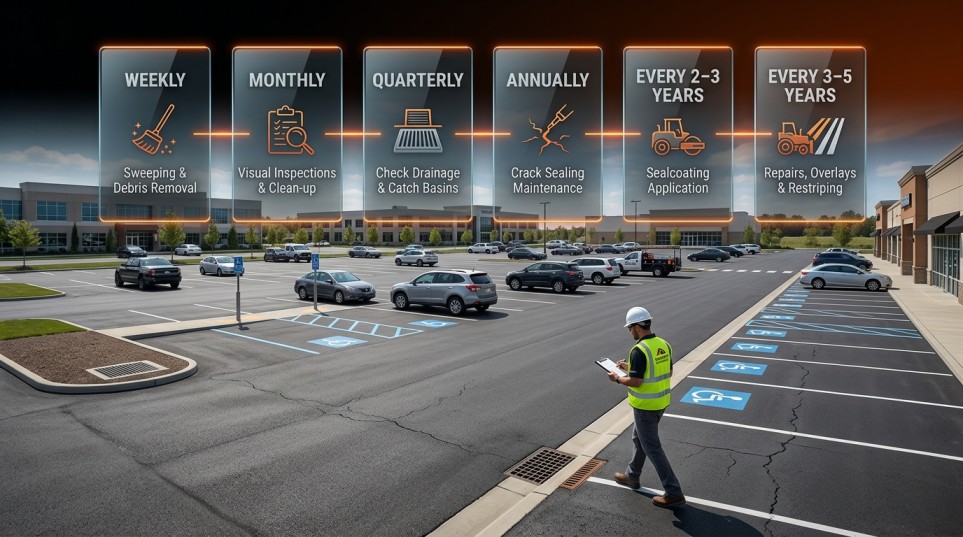
Sealcoating every two to three years protects against sun and water damage. Prompt crack sealing stops small problems from becoming major repairs. Annual inspections catch issues before they spread. Consistent maintenance can add 30 to 50 percent more life to your pavement.
Surface Cracks
Surface cracks form from age, sun exposure, and minor ground movement. Left unsealed, they let water into the base layer. Small cracks are inexpensive to fix when caught early. Regular inspections help you spot cracks before they spread.
Alligator Cracking
Alligator cracking creates a pattern resembling reptile skin across the surface. This damage signals a failing base layer, not just surface wear. It typically requires more than a simple patch to fix. Addressing the base issue usually means resurfacing or replacement.
Potholes
Potholes develop when water weakens the base beneath cracked pavement. Traffic then breaks apart the weakened surface, creating a hole. Quick repair prevents potholes from growing larger and more expensive. Ignoring potholes also creates safety and liability risks.
Rutting
Rutting appears as grooves along frequently traveled paths. Heavy, repeated vehicle loads cause the asphalt to compress unevenly. This problem is common in commercial lots and driveways. Proper thickness and base strength prevent most rutting issues.
Edge Cracking
Edge cracking happens near the outer boundary of the pavement. Lack of support from shoulders or landscaping often causes this. Adding proper edging during installation helps prevent it. Repairing edge cracks early stops the damage from spreading inward.
Drainage Problems
Poor drainage lets water pool on or beneath the pavement. Standing water weakens the base and accelerates cracking. Correct grading during installation is the best prevention. Adding drains or regrading can fix existing drainage problems.
Oxidation and Surface Fading
Oxidation happens as sunlight breaks down the asphalt binder over time. The surface fades from black to gray and becomes more brittle. Sealcoating slows this process and restores a fresh appearance. Regular maintenance keeps oxidation from shortening pavement life.
Sealcoating Schedule
Most contractors recommend sealcoating every two to three years. This schedule may shift based on traffic and sun exposure. Sealcoating too early or too late reduces its effectiveness. A local contractor can recommend timing based on your pavement’s condition.
Crack Sealing
Sealing cracks as soon as they appear prevents water infiltration. This low-cost service should happen at least once a year. Prompt attention here avoids much larger repair bills later. Crack sealing pairs well with routine sealcoating.
Pothole Repairs
Address potholes immediately to prevent further surface and vehicle damage. Quick patching stops water from spreading the damage underground. Larger potholes may signal a deeper base problem worth investigating. Regular inspections help catch potholes while they are still small.
Routine Cleaning
Sweep debris and remove standing leaves regularly to prevent staining. Clean up oil and fuel spills quickly to protect the asphalt binder. Routine cleaning also helps you spot developing cracks early. This simple habit costs nothing but time.
Preventative Maintenance Tips
Schedule annual inspections to catch small issues before they grow. Keep drainage paths clear of debris year-round. Avoid heavy vehicles parking in the same spot repeatedly. These habits together can extend pavement life by decades.
When Repairs Are the Best Option
Repairs work well for isolated cracks, small potholes, and minor surface damage. The underlying base should still be structurally sound. Repairs cost the least and take the least time. This option makes sense for pavement under 15 years old with limited damage.
When Resurfacing Makes Sense
Resurfacing fits pavement with widespread surface wear but a solid base. This option costs less than full replacement while restoring a fresh surface. It works well for pavement showing oxidation, minor cracking, or fading. Resurfacing typically extends pavement life by 8 to 10 years.
Signs Full Asphalt Replacement Is Needed
Replacement becomes necessary when alligator cracking or potholes cover large areas. A failing base layer cannot be fixed with surface repairs alone. Persistent drainage problems also point toward replacement. A contractor can assess whether your base still has structural integrity.
When a Driveway Permit May Be Required
Many municipalities require a permit when a new driveway connects to a public street. This ensures proper drainage and safe sight lines for traffic. Commercial paving projects often need site plan approval as well. Checking with your local building department early avoids delays.
Local Regulations in Pineville and Alexandria
Pineville and Alexandria each maintain their own permitting processes for driveway and commercial paving work. Requirements can vary based on property location and project scope. Rapides Parish may have additional rules for properties outside city limits. Experienced local contractors can help you navigate these requirements.
Property Access and Utility Considerations
Utility lines running near your paving area may need to be marked before work begins. Some projects require coordination with utility companies to avoid damage. Access easements can also affect where paving can occur. Addressing these details early keeps your project on schedule.
Verify Licensing and Insurance
Confirm your contractor carries proper licensing and liability insurance. This protects you if accidents or property damage occur during the project. Ask to see documentation before signing a contract. A licensed, insured contractor signals professionalism and accountability.
Evaluate Experience and Past Projects
Look for contractors with a track record in your area. Ask to see photos or addresses of completed projects nearby. Experience with local soil and drainage conditions matters more than general paving experience. Years in business often reflect consistent quality work.
Ask About Materials and Equipment
Ask what asphalt mix and thickness the contractor plans to use. Confirm they own or operate proper compaction equipment. Quality materials and equipment directly affect how long your pavement lasts. A reputable contractor explains these details without hesitation.
Understand Warranties
Reputable contractors typically offer a one to two-year workmanship warranty. This warranty should cover issues like premature cracking or drainage failure. Get warranty terms in writing before work begins. A clear warranty shows confidence in the quality of the work.
Compare Multiple Estimates
Request quotes from at least three contractors before deciding. Compare not just price but scope, materials, and warranty terms. The lowest bid is not always the best value. Detailed, written estimates make comparison easier and more accurate.
Read Customer Reviews
Check reviews on Google and other trusted platforms. Look for patterns in feedback about communication, timeliness, and quality. A few negative reviews are not unusual, but consistent complaints are a warning sign. Reviews give insight beyond what a sales pitch can offer.
Questions to Ask Before Hiring
A short list of questions can reveal how a contractor really operates. Before signing anything, ask:
These questions reveal how a contractor communicates and handles problems.
Understanding Central Louisiana Soil Conditions
Central Louisiana’s clay-heavy soil expands and contracts with moisture changes. This movement can stress pavement that is not built with the right base depth. Local contractors design bases specifically to handle this soil behavior. Experience here prevents problems that generic paving approaches often miss.
Managing Heavy Rainfall and Drainage
Louisiana receives significant rainfall throughout the year, especially in the spring. Contractors familiar with the area plan grading and drainage accordingly. Poor drainage planning leads to standing water and premature failure. Local expertise reduces this risk substantially.
Selecting Asphalt Mixes for Local Climate
Asphalt mix design should account for regional heat and humidity levels. The wrong mix can soften too easily during Louisiana summers. Local contractors select mixes proven to perform well in this climate, a practice the Federal Highway Administration also emphasizes for regional pavement durability. This attention to detail protects your pavement long-term.
Asphalt paving typically costs $3 to $6 per square foot in this area. A single-car driveway often runs $1,800 to $3,500, while two-car driveways cost $3,000 to $6,000. Commercial lots start around $15,000. Final pricing depends on size, base condition, and site accessibility, so a written quote gives the most accurate number.
A well-installed asphalt driveway lasts 15 to 30 years with routine maintenance, according to the National Asphalt Pavement Association. Sealcoating every two to three years and prompt crack sealing help reach the higher end of that range. Traffic load, soil conditions, and installation quality all affect the final lifespan.
Yes, asphalt generally costs less to install than concrete, often 20 to 30 percent cheaper per square foot. However, concrete typically lasts a few years longer with less frequent sealing. Your total lifetime cost depends on both installation price and ongoing maintenance needs.
Most residential driveways need two to three inches of compacted asphalt over a properly prepared base. This thickness supports passenger vehicles and light trucks. Driveways expecting heavier vehicles, like RVs, may need additional thickness. A contractor can confirm the right depth for your specific vehicles.
Most new asphalt driveways can handle vehicle traffic within 72 hours. Avoid parking in the same spot repeatedly or turning your wheels while stationary during the first week. Full curing still takes six months to a year, so continue treating the surface gently during that period.
Yes, this process is called an overlay and works when the existing base remains structurally sound. Contractors patch and level the old surface before adding a new asphalt layer. Overlays cost less than full replacement and can extend pavement life by several years.
Most contractors recommend sealcoating every two to three years. Sun exposure, traffic volume, and climate can shift that timeline slightly. Sealcoating too soon after installation can trap moisture, so most contractors wait six to twelve months after new asphalt cures.
Repair makes sense when damage is isolated, and the base remains sound, such as small cracks or a single pothole. Replacement becomes necessary once alligator cracking or potholes cover large areas, or drainage problems persist despite repairs. A contractor can assess your pavement’s base condition.
Many areas require a permit when a driveway connects to a public street, and commercial projects often need site plan approval. Requirements vary between Pineville, Alexandria, and unincorporated Rapides Parish. Checking with your local building department before work begins helps you avoid delays or fines.
Spring and fall generally offer the best conditions, with mild temperatures and lower rainfall. Asphalt needs ground temperatures above roughly 50 degrees Fahrenheit for proper compaction. Extreme summer heat or wet conditions can affect installation quality, so scheduling around weather matters.