
July 30, 2026
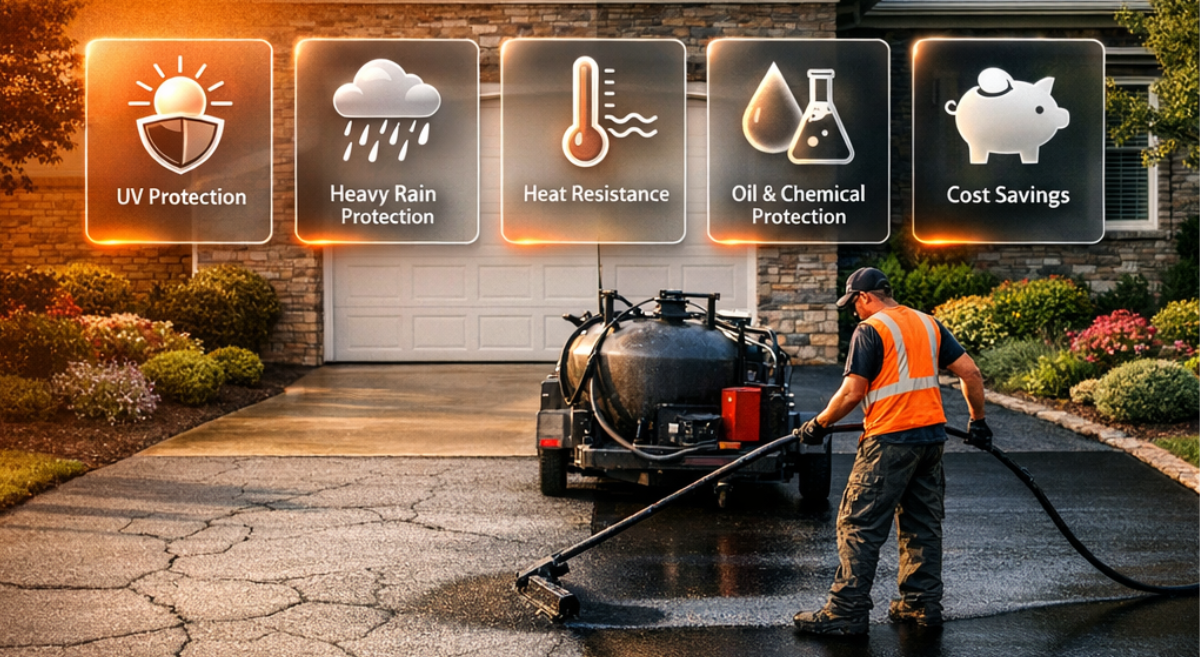
Seal coating is a protective liquid layer applied over asphalt to block UV rays, water, and chemicals. In Central Louisiana, the region's intense heat and heavy rainfall make it essential. Most driveways need resealing every two to three years to prevent cracking, fading, and costly resurfacing.
• Central Louisiana's heat, humidity, and heavy rain speed up asphalt breakdown, so most local pavement needs resealing every 2 to 3 years.
• New asphalt needs about 90 days to cure before its first seal coat.
• Seal coating costs a fraction of resurfacing, roughly 15 to 25 cents per square foot versus several dollars per square foot for resurfacing.
• Skipping crack repair before sealing traps water underneath and speeds up damage.
• Spring and fall offer the best temperature window for application in this climate.
Your driveway looks tired, and you are not sure why. Central Louisiana's brutal summer sun and sudden downpours wear down asphalt faster than most drivers realize. Cracks spread. Color fades. Small problems turn into expensive ones.
Precision Blacktopping has watched this pattern play out on driveways and parking lots across Pineville and the surrounding parishes. Seal coating solves the problem before it starts. It shields asphalt from the exact conditions that damage it here.
This guide covers what seal coating does, when to apply it, and what it costs in Central Louisiana. You will also learn how to spot the difference between a driveway that needs sealing and one that needs deeper repair.
Seal coating protects your investment before problems start. Here is what that actually means.
Seal coating is a thin liquid layer brushed or sprayed over the top of asphalt. It fills tiny surface pores and forms a barrier. This barrier blocks sunlight, water, and chemicals from reaching the asphalt binder underneath. The binder is the glue that holds sand and stone together. The Federal Highway Administration describes pavement preservation as keeping good roads good: applying protective treatments while pavement is still in solid condition, which slows deterioration and controls long-term costs (Source: FHWA). Seal coating follows the same principle for driveways and lots.
Unsealed asphalt starts breaking down the day it is installed. Sunlight dries out the oils in the binder. The surface turns from deep black to dull gray. This process is called oxidation. Oxidized asphalt becomes brittle and prone to hairline cracks. Water then seeps into those cracks and widens the damage over time. Left alone, small cracks grow into potholes that cost far more to repair.
These four terms get confused often, so here is the difference.
• Seal coating: a protective surface layer for pavement that is still structurally sound.
• Crack sealing: filling individual cracks with rubberized material.
• Resurfacing: adding a new layer of asphalt on top of the existing base.
• Repaving: removing the old asphalt completely and installing new pavement.
Each option fits a different stage of wear. Seal coating works best as prevention, not repair.
Central Louisiana asks more of asphalt than most regions do. The climate here creates three distinct threats.
Summer temperatures in Central Louisiana regularly climb past 90 degrees Fahrenheit. Pavement surface temperatures run even higher under direct sun. That heat speeds up oxidation and softens the asphalt binder. Softened asphalt deforms under heavy tires, creating ruts and low spots. Seal coating blocks the ultraviolet rays that drive this process.
Louisiana receives some of the heaviest rainfall in the country. Statewide annual precipitation ranges from around 50 inches in the north to about 70 inches in the southeast (Source: NOAA National Centers for Environmental Information, 2022). Central Louisiana sits in between, with frequent downpours and long stretches of high humidity. Water is asphalt's biggest enemy. It seeps into cracks and erodes the base underneath during repeated soaking. A sealed surface sheds water instead of absorbing it.
Driveways and parking lots collect oil drips, gasoline splashes, and antifreeze leaks. These chemicals dissolve unprotected asphalt binder on contact. A gas spill can soften bare asphalt within hours. Seal coating creates a buffer that resists this kind of chemical damage and buys you time to clean a spill before it causes lasting harm.
Not every driveway or lot is ready for seal coating. Here is how to tell where yours stands.
Watch for these warning signs:
• Fading from deep black to gray
• Small hairline cracks across the surface
• A rough, dry texture instead of a smooth finish
• Visible small stones poking through the surface
• Water that pools instead of running off
If you notice two or more of these signs, your pavement is likely ready for a fresh seal coat.
Cracks wider than a quarter inch need attention before sealing. Seal coat alone will not bridge a wide crack, and water will keep finding its way underneath. A contractor should fill these cracks first, then apply the seal coat over the repaired surface.
Some pavement has moved past the point of seal coating. Alligator cracking, a pattern that looks like reptile skin, deep potholes, or a sunken base all signal structural failure. Seal coating cannot fix a broken foundation. In these cases, resurfacing or full repaving makes more sense.
Timing affects how well seal coating performs. Three factors matter most.
Curing Time for New Asphalt
New asphalt needs time to release excess oils before sealing. Most contractors recommend waiting at least 90 days after installation. Sealing too early traps oils under the coating and prevents proper adhesion.
Recommended Resealing Schedule
Most Central Louisiana driveways benefit from resealing every two to three years. High-traffic commercial lots may need it closer to every two years. Homes with heavy shade or less sun exposure can sometimes stretch to three years between applications.
Best Season for Application
Spring and fall offer the best conditions here. Air and pavement temperature should stay between 50 and 85 degrees Fahrenheit for at least 24 hours after application. Louisiana summers often run too hot for even curing, and sudden storms can wash away a fresh coat before it sets.
Contractors choose from three main sealer types. Each one has strengths worth knowing.
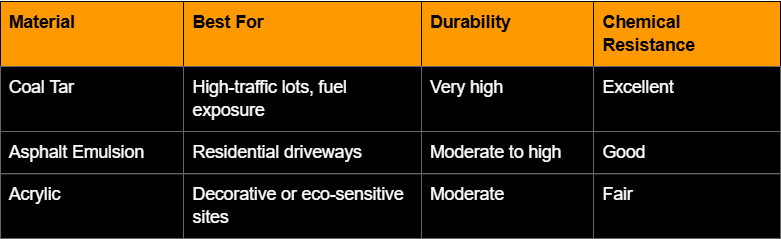
Coal Tar, Asphalt Emulsion & Acrylic: Quick Comparison
Best Choice for Louisiana's Climate
Coal tar and asphalt emulsion sealers both hold up well in hot, humid climates like ours. Coal tar offers stronger resistance to oil and fuel, which suits commercial lots. Asphalt emulsion works well for most residential driveways at a lower cost. We cover the full comparison, including environmental considerations, in a dedicated guide: Coal Tar vs. Acrylic Sealers: Which Is Right for You?
A quality seal coat job follows a specific sequence. Skipping steps shows up later as failure.
Surface Prep & Cleaning
Every seal coat job starts with a clean surface. Crews sweep away debris, blow dirt out of cracks, and pressure wash oil stains. Any remaining crack gets filled before the sealer goes down. Prep work takes longer than the actual coating, and it matters just as much.
Application Steps (Squeegee vs. Spray, 2-Coat Process)
Contractors apply sealer using a squeegee, a spray system, or both. Squeegee application pushes sealer into pores and levels the surface by hand. Spray application covers ground faster and works well on textured surfaces. Most professional jobs use two coats for even coverage and better protection.
Drying & Cure Times
Sealer feels dry to the touch within a few hours. Full cure takes 24 to 48 hours, depending on humidity and temperature. Keep vehicles off the surface during this window. Central Louisiana's humidity can extend cure time, so your contractor should check the forecast before scheduling.
You can seal coat a small driveway yourself. Bigger jobs change the equation.
When DIY Makes Sense
A small residential driveway in good condition is a reasonable DIY project. You will need a squeegee, safety gear, and a dry weekend with the right temperature window. Store-bought sealer works fine for light traffic areas.
Risks of DIY on Larger/Commercial Surfaces
Larger surfaces raise the stakes. Uneven application leaves thin spots that fail early. Missed cracks trap water underneath. Commercial lots also need faster turnaround, which store-bought tools cannot match. A patchy DIY job on a parking lot can end up costing more than hiring a pro from the start.
Why Most Louisiana Property Owners Hire a Pro
Most property owners in Central Louisiana choose professional application for consistent results. Professional crews use commercial-grade sealer, proper mixing ratios, and equipment built for even coverage. Precision Blacktopping brings that experience to every driveway and lot we seal. Request a quote for professional seal coating and see the difference proper application makes.
Cost is often the deciding factor. Here is what shapes the price.
Average Cost Ranges (Residential & Commercial)
Residential driveway sealing in Central Louisiana typically runs between 15 and 25 cents per square foot. A standard two-car driveway often falls between $200 and $450. Commercial parking lots usually cost less per square foot due to volume, though total project cost runs higher given the larger surface area.
What Affects Pricing
Several factors move the price:
• Surface size and condition
• Number of cracks needing repair first
• Sealer type (coal tar, emulsion, or acrylic)
• Number of coats applied
• Site access for equipment
Get a written estimate that spells out exactly what is included before work begins.
Cost vs. Long-Term Savings
Seal coating costs a fraction of resurfacing or repaving. Resurfacing runs several dollars per square foot, and full repaving costs even more. Regular seal coating delays those bigger expenses for years. Request a free quote and see how seal coating protects your budget along with your pavement.
The contractor you choose matters as much as the sealer they use.
What to Look For (Licensing, Insurance, Experience)
Ask any contractor for proof of licensing and liability insurance before signing a contract. Experience with Louisiana's climate matters too. A contractor who understands local heat, humidity, and rain patterns will time your job correctly and avoid common application mistakes.
Questions to Ask Before Hiring
Bring these questions to every estimate:
• How many years have you worked in Central Louisiana?
• What sealer brand and type do you use?
• Do you offer a written warranty?
• How do you handle crack repair before sealing?
Precision Blacktopping answers every one of these questions upfront. Learn more about our credentials and approach.
Even a good sealer fails when the application goes wrong. Watch for these mistakes.
Skipping Prep or Applying Too Thick: Rushing prep work is the most common mistake. Dirt and oil trapped under the sealer cause peeling within months. Applying sealer too thick creates a surface that cracks and flakes instead of flexing with the pavement.
Ignoring Weather Conditions: Sealer applied in the wrong temperature range, or right before rain, will not cure properly. A rushed job to beat a deadline often means a redo within a year.
Sealing Severely Damaged Asphalt: Sealer cannot fix structural problems. Applying it over deep cracks or a failing base only hides the damage temporarily. The problem keeps growing underneath.
A little maintenance stretches the life of your new seal coat even further.
Cleaning & Inspection Routine: Sweep debris off the surface regularly and rinse away oil drips quickly. Walk the pavement once or twice a year to check for new cracks or wear.
Repairing New Cracks Promptly: Small cracks are easy and cheap to fix early. Left alone, they widen fast in our climate and let water reach the base.
Planning Your Next Reseal: Mark your calendar for the next reseal two to three years out. Staying on schedule keeps small maintenance costs from turning into major repairs.
Seal coating serves a wide range of property types across our service area.
Residential Driveways: Homeowners in Pineville and nearby communities seal coat driveways to protect curb appeal and resale value. A well-maintained driveway signals a well-maintained home.
Commercial Parking Lots: Business owners depend on smooth, professional-looking lots to welcome customers safely. Regular seal coating also protects against the oil and fuel spills common in high-traffic areas.
HOA, Municipal & Institutional Properties: Shared roadways, school lots, and municipal parking areas all benefit from a preventive maintenance schedule. Seal coating stretches limited maintenance budgets across more square footage.
Central Louisiana's heat, rain, and humidity put real stress on asphalt. Seal coating remains the most cost-effective way to fight back. It blocks UV damage, sheds water, and resists the chemical spills that come with daily use.
Whether you own a driveway in Pineville or manage a commercial lot across the parish, timing and application quality decide how long that protection lasts. Precision Blacktopping brings local experience and proper technique to every job, from surface prep through the final coat.
Ready to protect your pavement before the next Louisiana summer takes its toll? We would be glad to walk your property, answer your questions, and provide a straightforward quote. Contact Precision Blacktopping today to schedule your seal coating service.
Most seal coats last two to three years in Central Louisiana's climate. Heavy traffic, intense sun, and frequent rain can shorten that window. Regular inspection helps you catch fading or thinning before it turns into a bigger repair.
Small hairline cracks are fine to seal over. Cracks wider than a quarter inch need filling first. Sealing over unrepaired cracks traps water underneath and speeds up damage instead of preventing it.
Wait at least 24 to 48 hours before driving or parking on freshly sealed asphalt. Humidity and temperature affect cure time, so check with your contractor before using the surface again.
Yes. Even small driveways face the same UV, rain, and chemical exposure as larger lots. Seal coating costs far less than repairing cracks or repaving later, making it a smart investment at any size.
Seal coating adds a protective layer over the entire surface. Crack sealing fills individual cracks with a flexible material. Most pavement needs crack sealing first, then a full seal coat for complete protection.
Both perform well in Louisiana's heat and humidity. Coal tar resists oil and fuel better, making it a strong choice for commercial lots. Asphalt emulsion costs less and suits most residential driveways.
.png)